
Trustworthy Supplier




Organic Fertilizer Ingredients: Types, Selection Tips & Common Formulations
Release time:
2026-11-16
1. Introduction
Choosing the right ingredients is key to making a good organic fertilizer.
But what types of materials are commonly used in organic fertilizers? With so many raw materials available, how do you know which ones are worth using? What should manufacturers consider when selecting them? And how can different ingredients be combined to develop practical formulations?
This article introduces common organic fertilizer materials, explains their advantages and disadvantages, and provides examples of widely used ingredient combinations. We hope it offers useful guidance for organic fertilizer manufacturers and formulators.
2. What Is Organic Fertilizer?
Organic fertilizer is mainly made from plant- and animal-derived materials. Some formulations also contain permitted mineral ingredients. It provides nutrients and organic matter to crops and helps improve soil structure, water retention, and soil health.
These materials vary in their nutrient content and properties. Knowing their differences helps manufacturers choose suitable ingredients and develop organic fertilizer formulations.
3. Main Types of Organic Fertilizer Materials
3.1 Plant-Derived Materials
Plant-derived materials are widely used in organic fertilizer production. They include agricultural residues, oilseed meals, plant extracts, and by-products from food processing.
Compost
Compost is produced by decomposing plant residues, manure, and other biodegradable materials. It adds organic matter and helps improve soil structure.

Advantages: Low-cost when locally available. Improves soil structure and increases organic matter.
Disadvantages: Nutrient content is often low and varies with the raw materials. Poorly matured compost may produce unpleasant odors, continue decomposing after production, and affect the storage stability of the finished fertilizer.
Soybean Meal
Soybean meal is a by-product of soybean oil production. It is rich in protein and provides organic nitrogen.

Advantages: A useful nitrogen and protein source for organic fertilizer formulations.
Disadvantages: Often more expensive than other plant-based by-products. It is also sensitive to moisture and poor storage conditions. High humidity, heat, and inadequate ventilation can promote mold growth and quality deterioration.
Cottonseed Meal
Cottonseed meal is produced during cottonseed processing and supplies organic nitrogen and other nutrients.

Advantages: Provides plant-derived nitrogen and can contribute organic matter.
Disadvantages: Its nitrogen content is generally lower than that of concentrated nitrogen sources such as blood meal.
Alfalfa Meal
Alfalfa meal is made from dried and ground alfalfa. It contains nitrogen, potassium, and organic matter.

Advantages: Provides several nutrients and plant-derived organic matter.
Disadvantages: Its nutrient concentrations are relatively low compared with concentrated nutrient sources.
Seaweed Extract
Seaweed extract is derived from processed marine algae. It contains minerals and various bioactive compounds.

Advantages: Can provide trace nutrients and functional compounds that complement other fertilizer ingredients.
Disadvantages: Often more expensive than bulk agricultural materials. Its composition varies with seaweed species and extraction methods.
Other Processing By-products
Agricultural and food-processing by-products are also valuable plant-derived materials. Common examples include molasses, rice bran, and Corn Steep Liquor (CSL).

Molasses supplies soluble carbohydrates and is commonly used in organic fertilizer formulations. However, its high sugar content may affect storage stability, particularly in liquid products.

Rice bran provides organic matter and nutrients. However, its oil content may reduce storage stability over time.

Corn Steep Liquor is a by-product of corn wet milling. Its powder form contains organic nitrogen, protein, amino acids, and organic matter, making it a cost-effective, multi-nutrient ingredient for organic fertilizer formulations. It can be used in dry blending and suitable liquid fertilizer formulations, offering flexibility for manufacturers. Its natural color and characteristic odor may need to be considered when developing finished products. Manufacturers should also check its nutrient composition and solubility to ensure it meets their formulation requirements.
3.2 Animal-Derived Materials
Animal-derived materials are commonly used to increase the nutrient content of organic fertilizers, particularly nitrogen and phosphorus.
Animal Manure
Common sources include cow, chicken, and horse manure.

Advantages: Often inexpensive and locally available. Supplies organic matter and a range of nutrients.
Disadvantages: Fresh manure can contain pathogens and weed seeds. It often has high moisture content and a strong odor.
Blood Meal
Blood meal is a concentrated organic nitrogen source made from animal blood.

Advantages: Very high nitrogen content, so relatively small quantities can increase the nitrogen level of a formulation.
Disadvantages: Can be expensive compared with some other nitrogen sources. Its strong odor may attract animals. Excessive application or direct contact with plant roots can cause plant injury and nutrient imbalance.
Bone Meal
Bone meal is made from processed animal bones and mainly supplies phosphorus and calcium.

Advantages: Provides phosphorus and calcium, making it useful in formulations designed to support root development.
Disadvantages: Phosphorus is released slowly. Its availability depends heavily on soil pH and particle size, and it is less effective in alkaline soils.
Fish Meal and Fish Hydrolysate
These materials are produced from processed fish or fish by-products. They contain protein, nitrogen, and other nutrients. Fish hydrolysate also provides amino acids and peptides.

Advantages: Rich in protein and amino acids; useful in both solid and liquid fertilizer formulations.
Disadvantages: Usually more expensive than many plant-based materials. Strong fish odors can be a problem, and liquid products require careful storage and quality control to prevent spoilage.
3.3 Mineral-Based Materials
Some organic fertilizer formulations also use natural mineral materials to supplement specific nutrients. Although these materials are not organic matter, certain mineral inputs are permitted in organic production under applicable standards.
Common examples include:
Rock Phosphate: A natural source of phosphorus. It is relatively affordable, but its low solubility means phosphorus may not be readily available to plants, especially in alkaline soils.
Natural Potassium Sources: Minerals such as langbeinite supply potassium and may also provide magnesium and sulfur. However, their nutrient content, solubility, and cost vary.
Gypsum: Supplies calcium and sulfur, making it useful for addressing specific nutrient needs. However, it does not provide significant nitrogen or potassium.
4. How to Choose the Right Organic Fertilizer Materials
Choosing the right ingredients is the first step toward developing an effective organic fertilizer. But where should you start?
4.1 Nutrient Content and Composition
Think about what you want your fertilizer to deliver. What nutrients should it provide, and what role will it play in the final product?
Common components to look at include nitrogen (N), phosphorus (P₂O₅), potassium (K₂O), and organic matter. Depending on your formulation, protein, amino acids, and trace elements may also be worth considering.
Different raw materials bring different nutrients to the mix. Blood meal and soybean meal are good nitrogen sources, while bone meal and rock phosphate can help supply phosphorus. CSL Powder is another option, offering organic nitrogen, protein, amino acids, and organic matter in one ingredient.
4.2 Solubility and Physical Properties
Solubility is an important factor when choosing raw materials, especially for water-soluble fertilizer production. If an ingredient does not dissolve well, it may leave too much residue, cause sedimentation, or clog filters and irrigation systems. This can affect both product quality and the user's application experience.
Before selecting a raw material, check how quickly and completely it dissolves in water, and whether any insoluble residue remains.
Solubility Test for CSL Powder: https://www.youtube.com/shorts/Cjx_HsYb2dE
4.3 Compatibility with Other Ingredients
Not all raw materials work well together. Differences in pH, solubility, moisture content, and chemical composition can affect the stability of a finished formulation. Small-scale formulation trials are recommended before large-scale production.
4.4 Cost and Supply Stability
The cost of organic fertilizer ingredients varies widely. For example, animal manure and compost are often more affordable when locally available, while fish hydrolysate and seaweed extract tend to be more expensive. Plant-derived by-products such as CSL and molasses can also be cost-effective options for fertilizer manufacturers.
Beyond price, a stable supply is just as important. When evaluating suppliers, consider whether they have their own production facilities. Suppliers with in-house manufacturing generally have better control over production capacity, product quality, and delivery schedules.
4.5 Quality Control and Certifications
Also before purchasing, ask suppliers for a Technical Data Sheet (TDS) and a Certificate of Analysis (COA) to check nutrient content, moisture, and other key quality indicators.
It is also worth checking the supplier's relevant certifications and registrations. Common examples include:

OMRI Listed: Helps identify products reviewed for use in organic production under applicable North American organic standards.

FDA Registration: May apply to facilities involved in the production or handling of certain food and animal feed products.

ISO 9001: Indicates that a company has a certified quality management system.

Buyers may also check a supplier's business information through Dun & Bradstreet (D&B).
5. Common Organic Fertilizer Ingredient Combinations
So, how do you turn different raw materials into a finished organic fertilizer? The answer depends on what you want your fertilizer to deliver.
Some formulations focus on supplying nitrogen, while others aim to provide more phosphorus, potassium, or organic matter. By combining different ingredients, manufacturers can develop products to meet specific nutrient requirements and application needs.
The following examples illustrate several common approaches to organic fertilizer formulation.
5.1 Compost-Based Organic Fertilizer
Common ingredients:
Compost
Animal manure
Bone meal or rock phosphate
Compost and animal manure provide organic matter and a range of nutrients, forming the base of many solid organic fertilizer formulations. Bone meal or rock phosphate can be added to supplement phosphorus when needed.
Key consideration: Nutrient levels in compost and manure can vary significantly. Manufacturers should test their nutrient content and check compost maturity and pathogen levels before use. Bone meal and rock phosphate should be selected according to the formulation's phosphorus requirements.
5.2 Plant-Based Organic Fertilizer
Common ingredients:
Soybean meal
Cottonseed meal
Alfalfa meal
CSL Powder
These plant-derived materials provide organic nitrogen, protein, organic matter, and other nutrients. Soybean meal and cottonseed meal are mainly used as nitrogen sources, while alfalfa meal contributes organic matter and a range of nutrients.
Key consideration: These materials have overlapping nutrient contributions, so they do not all need to be used in one formulation. Manufacturers should select ingredients according to the target NPK ratio, nutrient specifications, and cost.
5.3 Liquid Organic Fertilizer
Common ingredients:
Potential ingredients:
Concentrated CSL
Fish hydrolysate
Molasses
Seaweed extract
These ingredients can be used in liquid organic fertilizer development. Concentrated CSL and fish hydrolysate contribute nitrogen-containing organic compounds, including amino acids and peptides. Molasses supplies soluble carbohydrates, while seaweed extract adds minerals and bioactive compounds.
Key consideration: Solubility and storage stability are important when combining these materials. Manufacturers should check pH, viscosity, precipitation, and microbial stability through small-scale mixing and storage tests before commercial production.
5.4 Animal-Based Organic Fertilizer
Common ingredients:
Animal manure
Blood meal
Bone meal
Fish meal
These animal-derived materials provide organic matter and nutrients. Blood meal is a concentrated nitrogen source, while bone meal supplies phosphorus and calcium. Animal manure and fish meal contribute additional nutrients and organic matter.
Key consideration: Blood meal has a high nitrogen content, so its inclusion rate should be carefully controlled. Animal manure and other animal by-products should be properly treated and tested for pathogens and contaminants before use.
Conclusion
No single raw material suits every organic fertilizer formulation. Plant-derived materials, animal by-products, and mineral amendments each offer different nutrients and benefits. Understanding their properties helps manufacturers make better choices when developing fertilizer formulations.
The right ingredients should match the target nutrient profile, production requirements, and intended application. Quality, compatibility, cost, and supply stability also need to be considered.
Among plant-derived materials, Corn Steep Liquor (CSL) and its derivatives provide organic nitrogen, amino acids, and organic matter, making them valuable ingredients to consider in organic fertilizer production.
We hope this article helps you choose suitable raw materials for your formulations. If you have questions or insights to share about organic fertilizer ingredients, we'd be happy to hear from you.
Back before
Blogs


Universal Grade Corn Steep Liquor Powder(CSL Powder) is derived from Non GMO Corn Steep Liquor(CSL) through spray drying. Which is one by product of corn wet milling process. It contains organic nitrogen compounds, amino acids, peptides, minerals and other organic components. CSL Powder is widely used for fertilizer, fermentation and feed.

Corn Steep Liquor Powder(Ⅰ) Fertilizer Grade is one upgraded Corn Steep Liquor Powder. Which has no the issues of clumping/harden bags or impurities. And its solubility is much better. Corn Steep Liquor Powder(Ⅰ) Fertilizer Grade contains Organic NPK 7-7-7,Amino Acid and active peptides 35%,Organic matter 60%. And it is rich in trace elements and other growth promoting factors.Corn Steep Liquid Powder(Ⅰ) is OMRI listed. Which is one cost-effective and natural plant-based water soluble organic fertilizer input. Which is widely used for liquid fertilizer blending or microbial fertilizer.

Corn Steep Liquor Powder(Ⅱ) Fermentation Grade is one upgraded Corn Steep Liquor Powder. Which contains higher soluble protein and organic nitrogen. Whose fermentation effect is better. Its protein content is around 48% and organic nitrogen content is around 7.5%. The fermentation grade CSL Powder is derived from premium corn source,whose protein content is higher. And it is produced through low temperature spray drying. Which helps retain more active ingredients and its impurities are less. Fermentation grade CSL Powder is widely used as low-cost ingredient to replace ingredients such as yeast extract, peptone and other nitrogen source in the fermentation production of antibiotics,enzymes,amino acids,organic acids.

Feed Grade Corn Steep Liquor Powder (III): Cost-Effective Nutritional Ingredient
Corn Steep Liquor Powder(Ⅲ) Feed Grade is one nutrient-rich co-product of corn wet milling that can be used as a supplementary ingredient in livestock, poultry, aquaculture, and fermented-feed applications. As a cost-effective nutritional ingredient,CSL Powder(Ⅲ) Feed Grade contains protein-related compounds, amino acids, peptides, minerals, and residual carbohydrates. It can supplement animal feed formulations and provide nutrients for selected microbial fermentation processes.
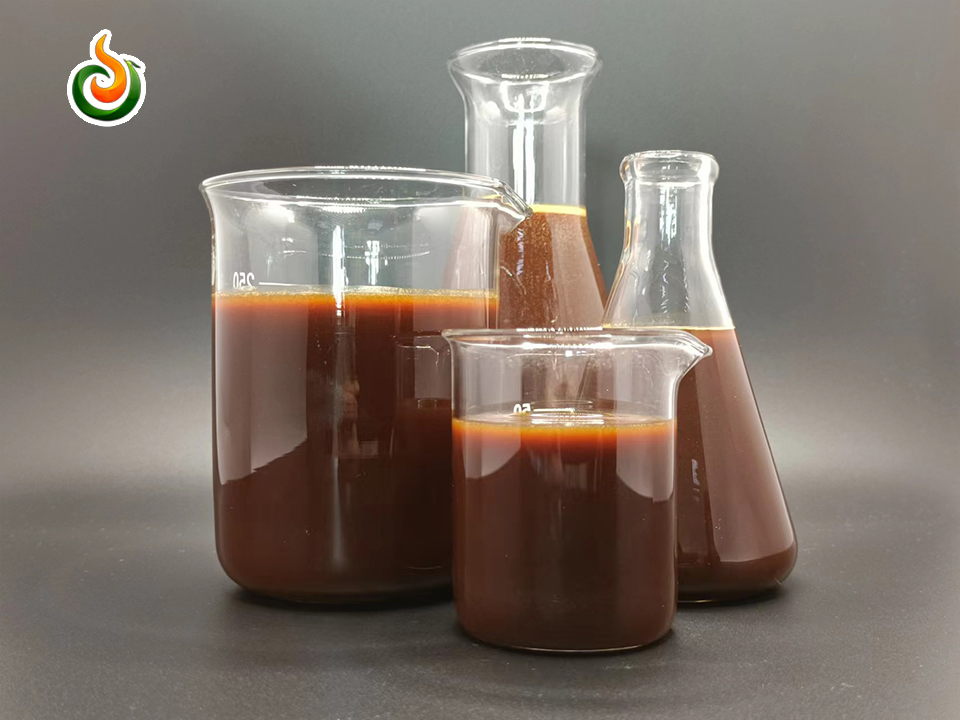
Fertilizer Grade Corn Steep Liquor(LiquidⅠ) is one upgraded Corn Steep Liquor(CSL Liquid). Which has no sedimentation and impurities. Fertilizer grade CSL Liquid is rich in natural NPK,amino acids,active peptides,organic matter,minerals,vitamins and growth factor. Due to its excellent physical properties,it is much more convenient to use as one liquid fertilizer or as ingredient for production of liquid fertilizer or biostimulant formulations.
MOBILE SITE

CONTACT US
Add: Songfang Village, Zouping County, Shandong Province, China.